


Course Library View the full range of courses
-
Accounting (145 courses)
- Xero Accounting and Bookkeeping Online
- Sage 50 Accounting & Payroll
- Project Finance
- Financial Modelling Training
- Tax Accounting
- Introduction to VAT
- Accounting and Finance Course for Managers
- Internal Compliance Auditor
- Financial Statement Analysis
- Payroll Administrator Level 3 Diploma
- View all Accounting courses
-
Language (67 courses)
- British Sign Language (BSL) Level 1 & 2
- Speech and Language Therapy Diploma
- TEFL (TESOL) Course
- English Spelling, Punctuation, and Grammar
- Child & Adult Speech & Language Disorders Training
- Teaching English as Foreign Language (TEFL) Certificate
- Mastering Spanish Language
- French Course for Beginners
- German Course for Beginners
- Body Language and Gesture Training
- View all Language courses
-
Teaching & Education (37 courses)
- Teaching Assistant Complete Course (TA, SEN, Autism, ADHD & Dyslexia) – CPD Certified
- EYFS Teaching Assistant Training Course
- Advanced Diploma in Coaching and Mentoring
- Level 3 Diploma in Teaching and Classroom Management
- Remote Teaching
- SENCO – Special Educational Needs Coordination
- Teaching English as Foreign Language (TEFL)
- Life Coaching
- Phonics Teaching Diploma
- View all Teaching & Education courses
-
Health and Social Care (138 courses)
- Health and Social Care Management
- Paediatric Nursing Assistant
- Mental Health Awareness Training
- Emergency Medicine – Paramedicine
- Level 3 Diploma in Adult Care
- Paediatric First Aid Training
- Safeguarding Children Level 3
- Level 3 Diploma in Anatomy and Physiology of Human Body
- Play Therapy
- The Care Certificate Preparation – Standards (1 to 15)
- View all Health and Social Care courses
-
Management (539 courses)
- Office Admin, Secretarial and PA Diploma
- Estate Agent and Property Management Training
- Diploma in Data Analysis Fundamentals
- Advanced Diploma in Stress & Anxiety Management
- Good Manufacturing Practice (GMP)
- Property Development and Management Course
- Diploma in Hotel Management
- Supply Chain Management
- Quality Assurance (QA) Manager
- Compliance and Risk Management
- View all Management courses
-
IT & Software (127 courses)
- Coding with Python 3
- Search Engine Optimisation (SEO) Training
- Cyber Security
- Motion Graphics with After Effects
- CompTIA A+ Core 1 (220-1101) Course
- Machine Learning for Aspiring Data Scientists
- Next.js Web Dev: Master this Powerful React Framework
- Learn 2D Animation with Adobe Animate
- GDPR Challenges in Education
- View all IT & Software courses
-
Employability (1043 courses)
- Office Administrator Skills
- Presentation Skills
- Legal Secretary and Office Skills
- Hospitality Management
- Estate Agent Diploma
- Hairdressing and Barbering
- Diploma in UK Employment Law
- Diploma in Data Analysis Fundamentals
- Building Surveyor Training
- Emotional Intelligence Training
- View all Employability courses
-
Personal Development (1439 courses)
- Productivity Habits
- Minute Taking Course
- Presentation Skills
- Excel: Top 50 Microsoft Excel Formulas in 50 Minutes!
- Critical Thinking and Problem Solving Skills
- Time Management
- Self Esteem and Confidence Building Course
- Essential IT Skills
- Legal Secretary and Office Skills
- Personality Development
- View all Personal Development courses


Bereavement and Grief Counselling
606 Students (4 Reviews)
Support those grieving with compassion and expertise! The Bereavement and Grief Counselling Course equips you with the knowledge and skills to guide individuals through loss. Develop effective counselling techniques, understand the psychology of grief, and make a positive impact on those navigating challenging times.

Original price was: £319.£25Current price is: £25.
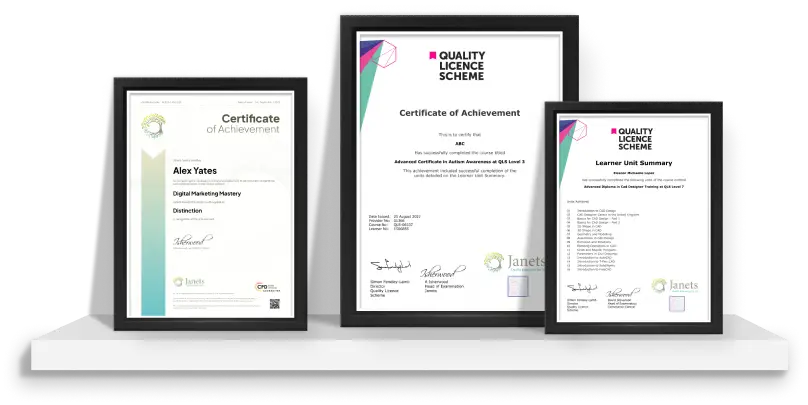
Course Curriculum
| Introduction | |||
| About the Instructor & the Course | FREE | 00:03:00 | |
| Introduction to Grief & Bereavement | |||
| What is counselling: Introduction to Counselling Theory | 00:07:00 | ||
| Core Skills in Counselling | 00:07:00 | ||
| Counselling Approaches in Counselling | 00:09:00 | ||
| What is ‘Grief’ and ‘Bereavement’? | 00:09:00 | ||
| The Role of the Bereavement Counsellor | 00:07:00 | ||
| Attitudes Towards ‘Death’ and ‘Dying’ | |||
| Beliefs that people held about ‘death’ and ‘dying’ | 00:09:00 | ||
| A child and adolescent view of death | 00:07:00 | ||
| Spirituality and Religion | 00:08:00 | ||
| What Happens When We Die | |||
| The process of dying | 00:07:00 | ||
| Stages of Grief | 00:08:00 | ||
| What is ‘Complicated grief’? | 00:09:00 | ||
| Depression Related to Grief and Bereavement | |||
| Sadness Vs Depression | 00:06:00 | ||
| Grief Vs Depression | 00:05:00 | ||
| Types of Depression | 00:09:00 | ||
| Diagnosis of Depression | 00:05:00 | ||
| Treatments available for depression | 00:08:00 | ||
| Counselling Process and Methods | |||
| Grief counselling: The loss of ‘self’ | 00:07:00 | ||
| Adjusting to violent death | 00:08:00 | ||
| Counselling the dying | 00:07:00 | ||
| Acceptance, Surrender, and ‘Letting go’ | 00:05:00 | ||
| Ending long-term counselling and follow-up | 00:07:00 | ||
| Thank You and Good Bye! | 00:01:00 | ||
| Resource Materials | |||
| Resource Materials – Bereavement and Grief Counselling | 00:00:00 | ||
| Assignment | |||
| Assignment – Bereavement and Grief Counselling | 6 days, 9 hours | ||
| Order your Certificates & Transcripts | |||
| Order your Certificates & Transcripts | 00:00:00 | ||

Original price was: £319.£25Current price is: £25. ex Vat
SAVE 92% - OFFER ENDS IN

 14-Day Money-Back Guarantee
- Personal
- Team
Quantity:
Total:
50% discount for orders of 10+ courses
60% discount for orders of 50+ courses
70% discount for orders of 100+ courses
For more personalised package, contact us

Frequently asked questions
Can’t find the anwser you’re looking for ? Reach out to customer support team.
Bereavement refers to the period of mourning and adjustment after the loss of a loved one. Grief is the emotional response to that loss. Bereavement encompasses the entire process of dealing with the loss, while grief specifically relates to the feelings of sorrow, anger, guilt, and other emotions experienced.
Therapies used for bereavement include: Cognitive Behavioral Therapy (CBT): Helps individuals reframe negative thought patterns associated with grief. Grief Counseling: Provides support and guidance specifically for dealing with loss. Group Therapy: Allows individuals to share experiences and support each other. Complicated Grief Therapy (CGT): Designed for those experiencing prolonged or intense grief.
Counseling someone with grief and loss involves: Active Listening: Providing a non-judgmental space for them to express their feelings. Validation: Acknowledging their emotions and experiences without judgment. Education: Helping them understand the grieving process and what to expect. Support: Offering practical and emotional support, and helping them find additional resources. Therapeutic Techniques: Using methods like CBT, narrative therapy, and mindfulness to help them process their grief
Yes, bereavement counseling can be very beneficial. It provides a safe space for individuals to express their grief, helps them understand and process their emotions, and offers strategies for coping with loss.
The three C's of grief are: Coping: Finding ways to manage the intense emotions and stress of grief. Communication: Talking about the loss and expressing feelings to trusted individuals or groups. Connection: Maintaining or building relationships and support networks to aid in the grieving process.
Isolate Yourself: Avoid withdrawing from others; seek support instead. Suppress Emotions: Don’t try to ignore or hide your feelings; allow yourself to feel and express them. Set Unrealistic Expectations: Don’t rush the grieving process or expect to “get over it” quickly. Neglect Self-Care: Ensure you take care of your physical and mental health during this time.
It depends on the individual's needs and preferences. Some people may need time alone to process their emotions, while others might require more support and companionship. It’s important to ask and respect their wishes.
“I know how you feel.”: Grief is personal, and everyone experiences it differently. “They’re in a better place.”: This can be insensitive, especially if the person is struggling with the loss. “You should be over this by now.”: Grieving has no set timeline, and such statements can be hurtful. “At least they lived a long life.”: This can minimize the person's feelings of loss.
Grieving is a highly individual process with no set timeline. It can take months to years, and the intensity of grief can fluctuate over time. Generally, intense feelings may diminish over the first year, but this varies greatly among individuals.
The best treatment for prolonged grief is often Complicated Grief Therapy (CGT), which focuses specifically on prolonged or intense grief. Cognitive Behavioral Therapy (CBT) and sometimes medication for underlying depression or anxiety can also be beneficial.
A mental breakdown after the death of a loved one can involve severe emotional distress, anxiety, depression, and an inability to function normally. Symptoms might include intense sadness, uncontrollable crying, insomnia, and withdrawal from daily activities.
Blockers to grief are factors that hinder the grieving process, including: Denial: Refusing to accept the reality of the loss. Avoidance: Avoiding thoughts, feelings, or reminders of the deceased. Distraction: Over-engaging in activities to avoid dealing with grief. Unresolved Conflicts: Lingering issues or unresolved conflicts with the deceased.
The hardest age to lose a parent varies widely among individuals, but adolescence and young adulthood can be particularly challenging. During these stages, individuals are still developing their identity and independence, and the loss of a parent can significantly impact their emotional and psychological development.
Grief brain fog, characterized by confusion, forgetfulness, and difficulty concentrating, can last for several weeks to months. The duration varies depending on the individual and the intensity of their grief.
For some individuals, grief can feel more intense around six months as the initial support from friends and family may wane, and the reality of the loss becomes more apparent. However, grief is highly individual, and the timeline can vary significantly.