


Course Library View the full range of courses
-
Accounting (145 courses)
- Xero Accounting and Bookkeeping Online
- Sage 50 Accounting & Payroll
- Project Finance
- Financial Modelling Training
- Tax Accounting
- Introduction to VAT
- Accounting and Finance Course for Managers
- Internal Compliance Auditor
- Financial Statement Analysis
- Payroll Administrator Level 3 Diploma
- View all Accounting courses
-
Language (67 courses)
- British Sign Language (BSL) Level 1 & 2
- Speech and Language Therapy Diploma
- TEFL (TESOL) Course
- English Spelling, Punctuation, and Grammar
- Child & Adult Speech & Language Disorders Training
- Teaching English as Foreign Language (TEFL) Certificate
- Mastering Spanish Language
- French Course for Beginners
- German Course for Beginners
- Body Language and Gesture Training
- View all Language courses
-
Teaching & Education (37 courses)
- Teaching Assistant Complete Course (TA, SEN, Autism, ADHD & Dyslexia) – CPD Certified
- EYFS Teaching Assistant Training Course
- Advanced Diploma in Coaching and Mentoring
- Level 3 Diploma in Teaching and Classroom Management
- Remote Teaching
- SENCO – Special Educational Needs Coordination
- Teaching English as Foreign Language (TEFL)
- Life Coaching
- Phonics Teaching Diploma
- View all Teaching & Education courses
-
Health and Social Care (138 courses)
- Health and Social Care Management
- Paediatric Nursing Assistant
- Mental Health Awareness Training
- Emergency Medicine – Paramedicine
- Level 3 Diploma in Adult Care
- Paediatric First Aid Training
- Safeguarding Children Level 3
- Level 3 Diploma in Anatomy and Physiology of Human Body
- Play Therapy
- The Care Certificate Preparation – Standards (1 to 15)
- View all Health and Social Care courses
-
Management (539 courses)
- Office Admin, Secretarial and PA Diploma
- Estate Agent and Property Management Training
- Diploma in Data Analysis Fundamentals
- Advanced Diploma in Stress & Anxiety Management
- Good Manufacturing Practice (GMP)
- Property Development and Management Course
- Diploma in Hotel Management
- Supply Chain Management
- Quality Assurance (QA) Manager
- Compliance and Risk Management
- View all Management courses
-
IT & Software (123 courses)
- Coding with Python 3
- Search Engine Optimisation (SEO) Training
- Cyber Security
- Motion Graphics with After Effects
- CompTIA A+ Core 1 (220-1101) Course
- Machine Learning for Aspiring Data Scientists
- Next.js Web Dev: Master this Powerful React Framework
- Learn 2D Animation with Adobe Animate
- GDPR Challenges in Education
- View all IT & Software courses
-
Employability (1043 courses)
- Office Administrator Skills
- Presentation Skills
- Legal Secretary and Office Skills
- Hospitality Management
- Estate Agent Diploma
- Hairdressing and Barbering
- Diploma in UK Employment Law
- Diploma in Data Analysis Fundamentals
- Building Surveyor Training
- Emotional Intelligence Training
- View all Employability courses
-
Personal Development (1438 courses)
- Productivity Habits
- Minute Taking Course
- Presentation Skills
- Excel: Top 50 Microsoft Excel Formulas in 50 Minutes!
- Critical Thinking and Problem Solving Skills
- Time Management
- Self Esteem and Confidence Building Course
- Essential IT Skills
- Legal Secretary and Office Skills
- Personality Development
- View all Personal Development courses


Night Photography
15 Students (6 Reviews)
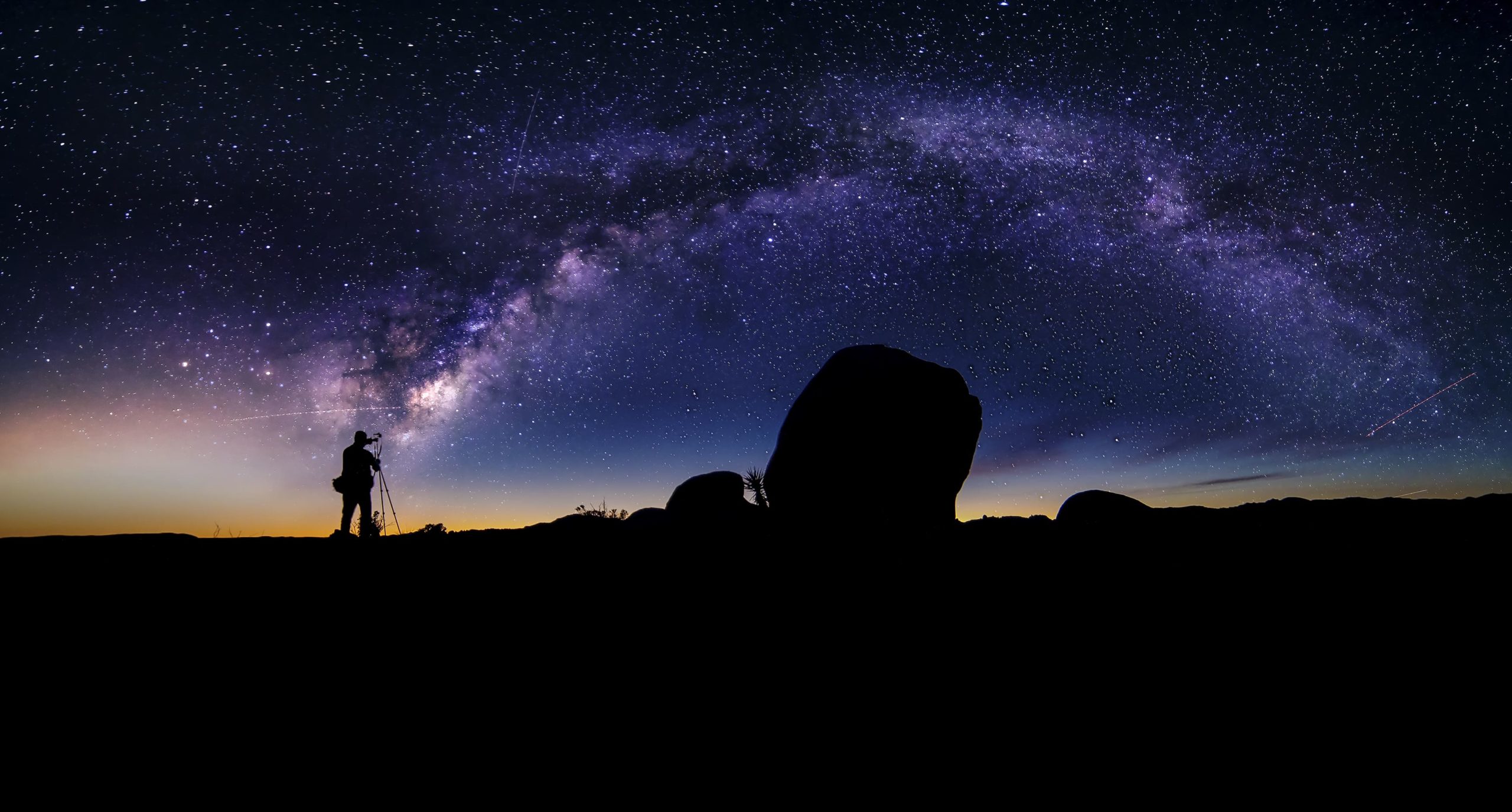
Study night photography with long exposure, low-light camera settings, astrophotography, composition, image editing, and creative photography techniques.
Course Curriculum
| Unit 1: Introduction to Night Photography | |||
| Module 1: Introduction to the Course | 00:02:00 | ||
| Module 2: What is Night Photography | 00:01:00 | ||
| Unit 2: Photography Equipment | |||
| Module 1: Introduction to the Course | 00:02:00 | ||
| Module 2: Camera | 00:02:00 | ||
| Module 3: Sensor Size | 00:03:00 | ||
| Module 4: Lenses | 00:03:00 | ||
| Module 5: Prime VS Zoom | 00:02:00 | ||
| Module 6: Tripods | 00:02:00 | ||
| Module 7: Filters | 00:02:00 | ||
| Module 8: Accessories | 00:05:00 | ||
| Unit 3: Basics | |||
| Module 1: Introduction | 00:01:00 | ||
| Module 2: What is ISO | 00:02:00 | ||
| Module 3: ISO Practical | 00:02:00 | ||
| Module 4: What is Aperture | 00:02:00 | ||
| Module 5: What is Shutter Speed | 00:03:00 | ||
| Module 6: Shutter Speed Practical | 00:04:00 | ||
| Module 7: Exposure Triangle | 00:03:00 | ||
| Unit 4: Advanced Basics | |||
| Module 1: Introduction | 00:01:00 | ||
| Module 2: Histogram | 00:03:00 | ||
| Module 3: RAW vs JPEG | 00:03:00 | ||
| Module 4: What is RAW | 00:02:00 | ||
| Module 5: Dynamic Range | 00:03:00 | ||
| Module 6: Kelvin Temp | 00:03:00 | ||
| Unit 5: How to Plan | |||
| Module 1: Introduction | 00:02:00 | ||
| Module 2: Light Pollution | 00:03:00 | ||
| Module 3: Weather App | 00:03:00 | ||
| Module 4: PhotoPills | 00:06:00 | ||
| Module 5: Feature of PhotoPills | 00:07:00 | ||
| Module 6: PRO Tip for Night Sky Planning | 00:03:00 | ||
| Unit 6: Capturing Night Photos | |||
| Module 1: How to Focus | 00:07:00 | ||
| Module 2: Base Settings | 00:02:00 | ||
| Module 3: Practical Base Setting | 00:02:00 | ||
| Module 4: Underexposed | 00:02:00 | ||
| Module 5: Overexposed Part 1 | 00:02:00 | ||
| Module 6: Overexposed Part 2 | 00:03:00 | ||
| Module 7: Pro Tip to Find Composition Fast | 00:02:00 | ||
| Unit 7: Composition | |||
| Module 1: Introduction | 00:02:00 | ||
| Module 2: Foreground | 00:03:00 | ||
| Module 3: Scale | 00:03:00 | ||
| Module 4: Reflection | 00:03:00 | ||
| Module 5: Low Light Cityscape Photography | 00:04:00 | ||
| Module 6: Creating Simple Light Trails | 00:03:00 | ||
| Unit 8: Advanced Capturing | |||
| Module 1: Light Pollution Filter | 00:02:00 | ||
| Module 2: Exposure Blending | 00:03:00 | ||
| Module 3: Artificial Light | 00:03:00 | ||
| Module 4: Focus Stacking | 00:04:00 | ||
| Module 5: Time Lapse | 00:05:00 | ||
| Module 6: Star Trails | 00:03:00 | ||
| Unit 9: Editing | |||
| Module 1: Introduction | 00:02:00 | ||
| Module 2: Basic Overview | 00:19:00 | ||
| Module 3: Global VS Local Adjustment | 00:09:00 | ||
| Module 4: Editing Night Photography Images | 00:22:00 | ||
| Module 5: Proper Artificial Light | 00:15:00 | ||
| Module 6: Blending Multiple Exposure | 00:13:00 | ||
| Module 7: Focus Stack- Photoshop | 00:07:00 | ||
| Module 8: Focus Stack- Helicon | 00:06:00 | ||
| Module 9: Time Lapse | 00:06:00 | ||
| Module 10: Star Trails | 00:11:00 | ||
| Module 11: Adobe Lightroom Pro Tips | 00:14:00 | ||
| Photo Submission | |||
| Submit Your Photos | 00:00:00 | ||

Original price was: £319.£25Current price is: £25. ex Vat
SAVE 92% - OFFER ENDS IN

 ALL
COURSES FOR £49
ALL
COURSES FOR £49  14-Day Money-Back Guarantee
- Personal
- Team
Quantity:
Total:
50% discount for orders of 10+ courses
60% discount for orders of 50+ courses
70% discount for orders of 100+ courses
For more personalised package, contact us


Frequently asked questions
Can’t find the anwser you’re looking for ? Reach out to customer support team.
This course introduces the principles of night photography and explores techniques for capturing high-quality photographs in low-light environments.
Yes. The course is suitable for beginners and provides a structured introduction to night photography and camera techniques.
You will study camera settings, exposure, shutter speed, ISO, aperture, composition, long-exposure photography, astrophotography basics, and image editing.
Night photography requires specialised camera settings, longer exposure times, careful lighting control, and different composition techniques to achieve clear and visually appealing results.
No. Previous photography experience is not required. The course introduces night photography concepts from the beginner level.
The course covers manual camera settings, long exposures, white balance, tripod use, light trails, moon photography, night landscapes, cityscapes, noise reduction, and post-processing.
Yes. The knowledge gained may support opportunities in commercial photography, travel photography, landscape photography, media, advertising, and freelance photography.
Important skills include creativity, composition, technical camera operation, patience, observation, lighting awareness, image editing, and attention to detail.
Yes. Learners will explore exposure control, shutter speed adjustments, and methods for capturing light trails, night scenes, and creative low-light effects.
Yes. The programme strengthens camera handling, manual settings, composition, low-light techniques, and post-processing skills for professional-quality images.