Course Library View the full range of courses
Accounting (124 courses)
Language (66 courses)
Teaching & Education (37 courses)
Health and Social Care (137 courses)
Management (474 courses)
IT & Software (123 courses)
Employability (1029 courses)
Personal Development (1406 courses)
| Paediatric Nursing Assistant - Updated Version | |||
| Introduction to Paediatric First Aid | 00:18:00 | ||
| Assessment and Assistance | 00:22:00 | ||
| Loss of Responsiveness and CPR | 00:20:00 | ||
| Paediatric First Aid for Common Illnesses, Injuries and Incidents | 00:38:00 | ||
| First Aid for Acute Medical Conditions | 00:22:00 | ||
| Call for an Emergency | 00:24:00 | ||
| Paediatric Nursing Assistant - Old Version | |||
| Introduction to Paediatric First Aid | |||
| Module 1: Introduction | 00:15:00 | ||
| Module 2: Role and Responsibilities of First Aiders | 00:20:00 | ||
| Module 3: First Aid Kits | 00:15:00 | ||
| Initial Assessment and Assistance | |||
| Module 4: Initial Assessment and Treatment | 00:25:00 | ||
| Module 5: Illness and Injury | 00:30:00 | ||
| Common Childhood Illnesses | |||
| Module 6: Common Illnesses | 00:20:00 | ||
| Module 7: Anaphylaxis | 00:15:00 | ||
| Module 8: Asthma Attack | 01:00:00 | ||
| Module 9: Eczema in Babies and Children | 00:10:00 | ||
| Module 10: Seizures in Children Treatment | 00:20:00 | ||
| Module 11: CPR | 00:30:00 | ||
| Module 12: Poisoning | 00:30:00 | ||
| Module 13: Heat Stroke | 00:20:00 | ||
| Common Injuries and Incidents | |||
| Module 14: Common Accidents and Emergencies | 00:30:00 | ||
| Module 15: First Aid for Minor Burns | 00:45:00 | ||
| Module 16: Febrile Seizure | 00:15:00 | ||
| Module 17: Choking | 00:25:00 | ||
| Module 18: Bleeding | 00:15:00 | ||
| Module 19: Bites, Stings and Scratches | 00:25:00 | ||
| Module 20: Fractures | 00:10:00 | ||
| Module 21: Head Injuries | 00:25:00 | ||
| First Aid for Unresponsiveness and Injury | |||
| Module 22: Unresponsive and Breathing Child | 00:15:00 | ||
| Module 23: Unresponsive and Not Breathing Child | 00:20:00 | ||
| Module 24: Unresponsive and Breathing Baby | 00:15:00 | ||
| Module 25: Unresponsive and Not Breathing Baby | 00:20:00 | ||
| Module 26: First-Aid Tips for Common Kid Injuries | 00:30:00 | ||
| Module 27: Eye Injuries | 00:15:00 | ||
| First Aid for Illness and Incidents | |||
| Module 28: Fever in Children | 00:45:00 | ||
| Module 29: First Aid for Incidents | 00:25:00 | ||
| Module 30: Drowning | 00:15:00 | ||
| Assignment | |||
| Assignment – Paediatric Nursing Assistant | 2 weeks | ||
| Order your Certificates & Transcripts | |||
| Order your Certificates & Transcripts | 00:00:00 | ||
Can’t find the anwser you’re looking for ? Reach out to customer support team.
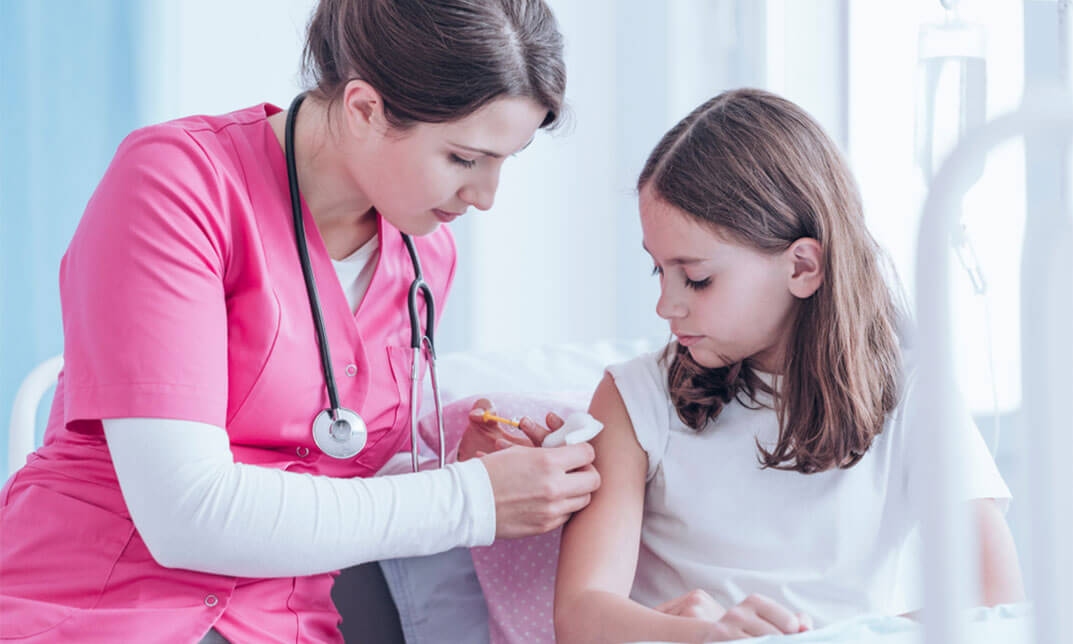
A Paediatric Nursing Assistant supports qualified nurses in caring for infants, children, and adolescents in healthcare settings. They assist with daily care tasks, monitor patient comfort, and help maintain a safe and supportive environment for young patients during treatment and recovery.
You will learn how to support child healthcare, assist with hygiene and feeding, monitor basic vital signs, communicate effectively with children and parents, and follow infection control and safeguarding procedures. The course also covers emotional support techniques and professional healthcare standards.
No. This course is designed for beginners and individuals new to healthcare. It provides foundational knowledge and practical understanding needed to start working in entry-level paediatric support roles.
Daily tasks include helping children with personal care, assisting nurses with procedures, monitoring comfort levels, taking basic observations, cleaning patient areas, and offering emotional reassurance to children and their families.
Paediatric care is tailored specifically to children’s physical, emotional, and developmental needs. Children require different communication methods, medication dosages, and emotional support compared to adults, making specialised training essential.
Key skills include communication, empathy, patience, observation, teamwork, attention to detail, and the ability to follow medical instructions carefully in a clinical environment.
They can work in hospitals, children’s wards, outpatient clinics, community health centres, GP practices, and specialised paediatric care units.
Yes. It is a meaningful healthcare role that offers strong demand, emotional reward, and opportunities to progress into nursing or advanced healthcare positions.
Safeguarding involves protecting children from harm, abuse, or neglect and ensuring their safety and wellbeing in healthcare environments.
Yes. This course provides a strong foundation for further study in nursing degrees, paediatric nursing, or other advanced healthcare qualifications.
Infection control includes procedures like hand hygiene, PPE use, cleaning protocols, and safe handling of equipment to prevent the spread of infections among children.
They use simple language, patience, reassurance, and age-appropriate communication techniques to help children feel safe and understood.