- Home
- Management
- How to Improve Teaching and Classroom Management Skills
How to Improve Teaching and Classroom Management Skills
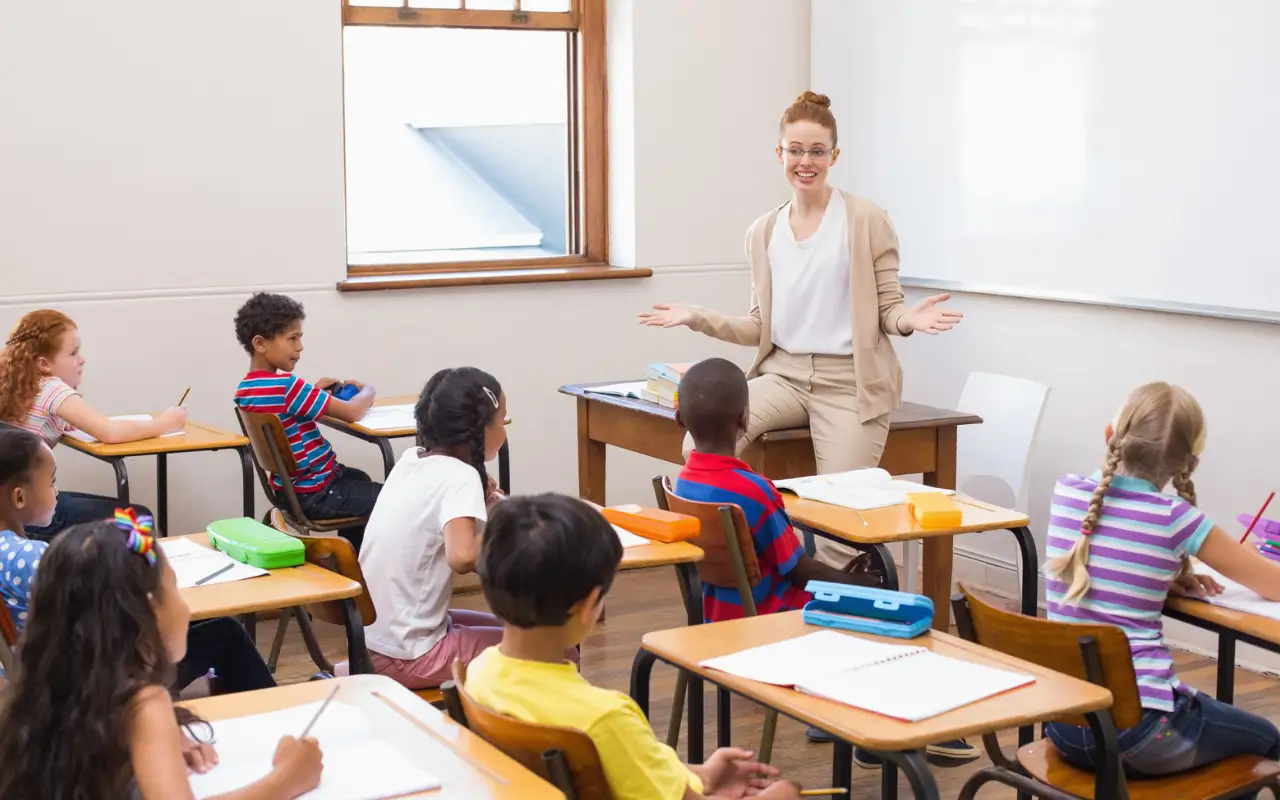
Managing a classroom can feel challenging for new educators. Every learner brings different needs, interests and learning styles. Some pupils need encouragement, while others need additional support. Without clear routines, even simple lessons can become difficult. Developing Classroom Management Skills helps create more organised learning environments. These skills also support positive relationships and effective teaching. However, good classroom management requires more than enforcing rules. Teachers must understand behaviour, communication and individual learning needs. They also need suitable Teaching Methods and clear expectations. Small changes can make everyday classroom activities more manageable. This guide explains effective strategies for improving your approach. You will discover useful techniques, resources and learning opportunities. Each section offers practical guidance for your teaching journey.
Understanding Classroom Management Skills
Classroom management involves organising teaching, behaviour and daily activities. It helps teachers establish structured and supportive learning environments. Effective approaches combine communication, planning and consistent classroom expectations. They also consider individual differences between pupils. Therefore, classroom management extends beyond controlling disruptive behaviour. It includes creating opportunities for meaningful participation and learning.
Classroom Management Skills help educators guide everyday classroom experiences. These abilities include setting expectations and communicating clear instructions. Teachers also use routines to support smooth transitions. For example, pupils might follow established morning procedures. They know where to place their belongings. They also understand how lessons begin each day. Such routines reduce confusion and support classroom organisation.
Teaching Methods also influence how classroom activities operate. Some lessons involve discussion, while others require independent work. Group activities introduce different communication and supervision needs. Teachers must adapt their approach to each activity. They should also consider pupils’ ages and abilities. A consistent approach helps learners understand expectations. However, flexibility remains essential when circumstances change.
Why Classroom Management Skills Matter
Effective classroom management supports teaching and learning throughout school. Clear expectations help pupils understand acceptable classroom behaviour. Consistent routines also make daily activities more predictable. This allows teachers to organise learning more effectively. Additionally, supportive relationships encourage respectful communication between pupils. These foundations contribute towards a positive classroom atmosphere.
Classroom management also supports individual learning needs. Some pupils benefit from additional explanations or visual instructions. Others may need different activities or communication approaches. Teachers should respond to these differences thoughtfully. The Department for Education’s inclusive teaching guidance offers relevant support. It explains approaches for inclusive classroom participation. Its resources support teachers and teaching assistants across England.
Developing these abilities can support aspiring education staff. Classroom Management Training introduces useful ideas and teaching approaches. However, applying knowledge requires continued reflection and experience. The Teaching and Classroom Management Bundle offers another learning option. Learners can explore it alongside their existing development plans. Always consider workplace policies when applying new techniques. Consistent teamwork also supports a shared classroom approach.
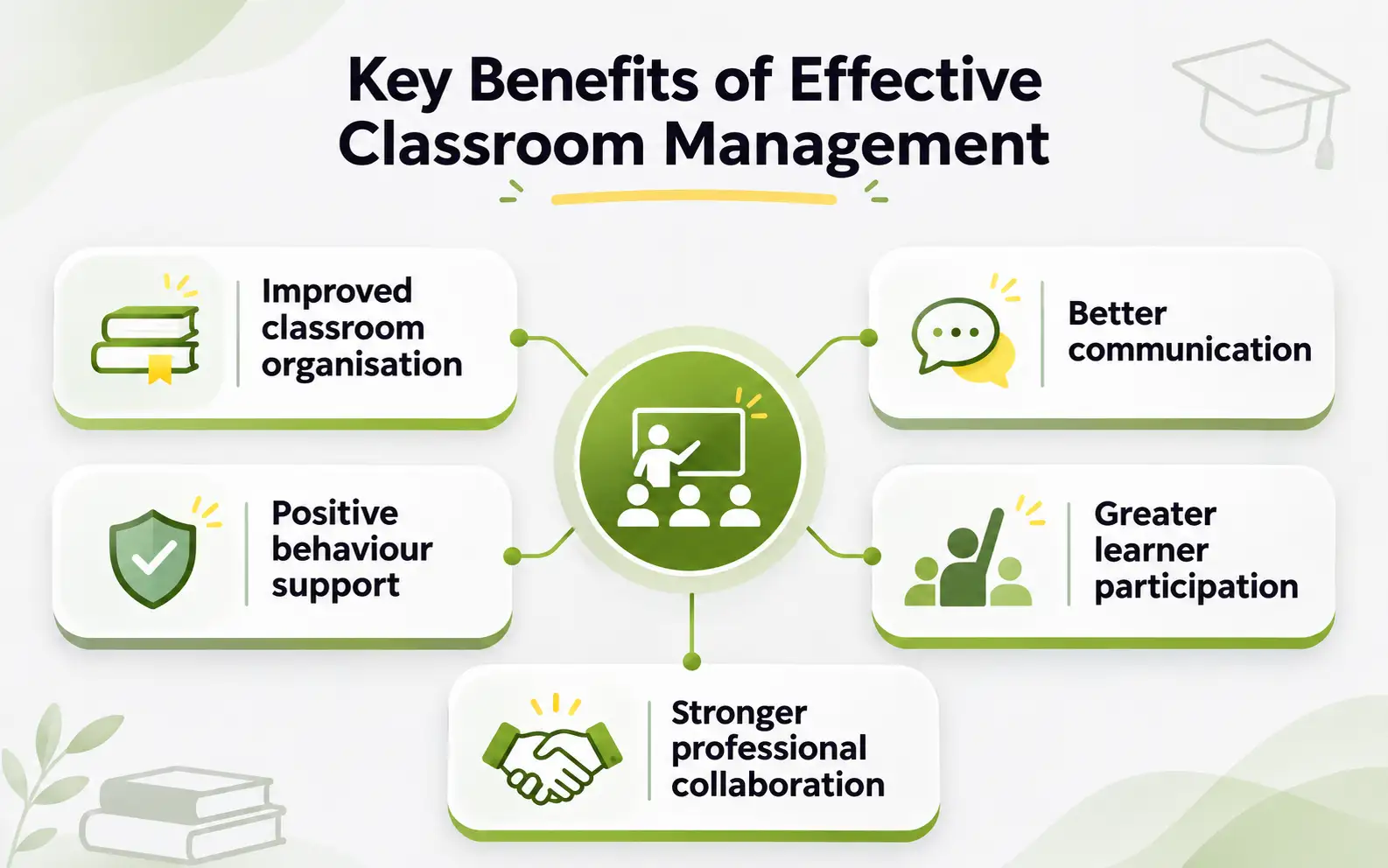
Key Benefits of Effective Classroom Management
Strong Classroom Management Skills offer several practical benefits. These relate to organisation, communication and learner participation. Better routines may reduce unnecessary interruptions during lessons. Clear instructions help pupils understand what happens next. As a result, teachers can manage activities more confidently. However, successful classroom learning depends on several factors.
Improved classroom organisation helps teachers manage everyday responsibilities. Prepared resources reduce avoidable delays between activities. Established routines also support lesson transitions.
Better communication encourages clearer interactions with pupils. Teachers can explain tasks using accessible language. They can also check whether learners understand instructions. This approach helps identify confusion before activities continue.
Positive behaviour support promotes respectful classroom expectations. Consistent responses help pupils understand boundaries.
Greater learner participation encourages involvement in suitable activities. Teachers can adapt tasks for different abilities.
Stronger professional collaboration also supports classroom planning. Teaching assistants can share observations with classroom teachers. Together, they can identify appropriate support approaches. These benefits develop through practice, consistency and reflection.
Five Steps to Improve Classroom Management Skills
Improving classroom management begins with understanding your responsibilities. You do not need complicated strategies initially. Start with manageable changes and review their effectiveness. Classroom Management Skills develop through continued learning and experience.
- Understand classroom management fundamentals. Learn about expectations, routines and positive behaviour approaches. Observe how experienced educators organise classroom activities. Identify techniques that match your educational setting.
- Set clear and realistic learning goals. Choose specific areas requiring improvement. You might focus on communication or lesson transitions. Keep your goals achievable and measurable.
- Choose suitable learning resources. Explore guidance, professional discussions and Classroom Management Training. Consider the Teaching and Classroom Management Bundle when comparing options. Select resources that match your current learning needs.
- Practise classroom management techniques. Begin with simple instructions and predictable routines. Try activities suited to your learners’ abilities. Ask colleagues for feedback where appropriate.
- Review progress and improve your approach. Reflect on successful activities and unexpected challenges. Record useful observations after teaching sessions. Adjust techniques when learners need additional support.
These steps provide a straightforward starting framework. However, educational settings require different management approaches. Early years activities differ from secondary classroom lessons. Similarly, small groups need different supervision arrangements. Therefore, adapt each strategy to your responsibilities. Consult experienced colleagues whenever additional guidance becomes necessary.
Essential Teaching and Classroom Management Techniques
Effective teaching combines subject knowledge with interpersonal abilities. Educators need clear communication and organised lesson planning. They must also respond appropriately to classroom challenges. Two skill groups deserve particular attention during development.
Core Teaching and Classroom Organisation Skills
Lesson planning provides structure for classroom activities. Teachers should identify clear objectives before teaching begins. Activities must also suit pupils’ learning needs. Prepared materials help prevent unnecessary interruptions. Clear instructions make tasks easier to follow. Regular understanding checks can identify additional support needs.
Behaviour management requires consistent expectations and respectful communication. Educators should explain routines using age-appropriate language. Positive feedback can recognise effort and helpful behaviour. Responses to difficulties must follow school policies. Teachers should also recognise potential causes of disruption. Sometimes pupils need clarification rather than correction.
Supporting Communication and Interpersonal Skills
Active listening helps educators understand learners’ concerns. Patience supports thoughtful responses during challenging situations. Empathy encourages respectful communication with different pupils. Teamwork also improves coordination between classroom staff. Teaching assistants can share observations with their colleagues. Together, they can plan suitable learning support.
Adaptability remains another valuable professional skill. Activities may require changes during unexpected situations. Teachers should recognise when particular methods become unsuitable. Reflective practice helps identify opportunities for improvement. Seeking constructive feedback also supports professional development. These skills strengthen gradually through experience and continued learning.
Choosing Suitable Classroom Management Training
Different learning resources suit different educational goals. Beginners may prefer introductory classroom management materials. Experienced staff might explore specialised behaviour support techniques. Teachers can also learn through supervised workplace experience. Training choices should reflect individual responsibilities and development needs. Consider your available time and preferred learning methods.
Official guidance provides another useful starting point. The Department for Education’s behaviour management resources support school staff. They include approaches for reviewing behaviour management practices. Schools can adapt these resources to local needs. However, organisational policies should guide classroom implementation.
The Teaching and Classroom Management Bundle provides a further option. You can review its suitability for your goals. Consider how its published content matches your interests. Compare available learning options before making any decisions. Remember that additional learning does not replace required qualifications. Some educational roles have specific entry requirements. Always check those requirements before pursuing employment opportunities.
Applying Classroom Management Skills in Educational Settings
Classroom Management Skills apply across various educational environments. However, responsibilities differ between professional roles. Teachers typically plan learning and assess pupil progress. Teaching assistants support classroom activities under appropriate supervision. Early years educators focus on age-appropriate learning experiences. Each setting requires suitable communication and organisation methods.
The National Careers Service teaching assistant profile outlines relevant responsibilities. These include supporting learning and helping classroom teachers. It also describes different entry and training routes. Entry requirements may vary between employers. Therefore, check individual vacancies before applying.
Get careers information and advice
Classroom Learning also extends beyond traditional lessons. Educational staff may support reading groups and creative activities. Some work involves individual learning assistance. Others help organise shared classroom resources. In each situation, clear communication remains valuable. Educators should follow safeguarding procedures and organisational guidance. They must also respect individual pupils’ support needs.
Professional development can support existing workplace responsibilities. However, training alone cannot guarantee employment or advancement. Qualifications and experience may influence recruitment decisions. Consider your intended role before selecting further learning. This helps identify relevant development priorities. It also supports realistic career planning.
Common Classroom Management Mistakes and Practical Tips
New educators sometimes establish too many classroom rules. Complex expectations can confuse younger pupils. Instead, introduce a few clear behavioural expectations. Explain each rule using accessible examples. Apply expectations consistently across classroom activities. Review understanding when pupils appear uncertain.
Another mistake involves giving unclear task instructions. Long explanations can reduce attention and understanding. Break activities into smaller, manageable stages. Demonstrate tasks when practical and appropriate. Ask pupils to explain what happens next. Visual reminders may also support some learners. These methods can improve everyday classroom communication.
Some educators focus only on challenging behaviour. However, positive classroom interactions also deserve attention. Recognise cooperation, effort and respectful communication. Avoid assuming every pupil needs identical support. Adapt Teaching Methods to different learning needs. Seek specialist guidance when situations require additional expertise. Finally, reflect regularly on your classroom approach. Small improvements can support more consistent teaching.
Final Thoughts on Classroom Management Skills
Developing Classroom Management Skills requires patience and consistent practice. Effective routines help organise everyday teaching activities. Clear communication supports understanding and positive classroom relationships. Suitable Teaching Methods also encourage meaningful learner participation.
Begin with a small number of achievable goals. Practise techniques that suit your educational responsibilities. Review your progress and consider constructive feedback. Remember that every classroom presents different challenges.
The Teaching and Classroom Management Bundle offers additional learning options. Consider whether its content matches your development goals. Continue exploring reliable educational guidance and professional learning opportunities. Your next improvement may begin with one simple change.
Frequently Asked Questions
What is the definition of teaching?
Teaching is the purposeful, systematic process of imparting knowledge, skills, values, and attitudes to help others learn, grow, and develop
What Is Classroom Management?
Classroom Management involves organising lessons, managing behaviour and supporting students. Effective teaching methods create positive classroom learning environments. These skills improve engagement, encourage participation and support learning.
How can I improve my classroom management skills?
Explore Classroom Management strategies and practise effective teaching methods. Focus on communication, lesson organisation and positive behaviour.
What is the importance of teaching?
Teaching is essential because it shapes individual development, fuels societal progress, and builds the foundation for every other profession. Rather than merely transmitting academic curriculum, effective teaching transforms how people think, act, and connect with the world.
What is the teaching process?
The teaching process is a systematic, planned, and interactive series of steps where an educator guides learners to acquire knowledge, skills, values, and behavioral changes.
Get a FREE Course