


Course Library View the full range of courses
-
Accounting (145 courses)
- Xero Accounting and Bookkeeping Online
- Sage 50 Accounting & Payroll
- Project Finance
- Financial Modelling Training
- Tax Accounting
- Introduction to VAT
- Accounting and Finance Course for Managers
- Internal Compliance Auditor
- Financial Statement Analysis
- Payroll Administrator Level 3 Diploma
- View all Accounting courses
-
Language (67 courses)
- British Sign Language (BSL) Level 1 & 2
- Speech and Language Therapy Diploma
- TEFL (TESOL) Course
- English Spelling, Punctuation, and Grammar
- Child & Adult Speech & Language Disorders Training
- Teaching English as Foreign Language (TEFL) Certificate
- Mastering Spanish Language
- French Course for Beginners
- German Course for Beginners
- Body Language and Gesture Training
- View all Language courses
-
Teaching & Education (37 courses)
- Teaching Assistant Complete Course (TA, SEN, Autism, ADHD & Dyslexia) – CPD Certified
- EYFS Teaching Assistant Training Course
- Advanced Diploma in Coaching and Mentoring
- Level 3 Diploma in Teaching and Classroom Management
- Remote Teaching
- SENCO – Special Educational Needs Coordination
- Teaching English as Foreign Language (TEFL)
- Life Coaching
- Phonics Teaching Diploma
- View all Teaching & Education courses
-
Health and Social Care (138 courses)
- Health and Social Care Management
- Paediatric Nursing Assistant
- Mental Health Awareness Training
- Emergency Medicine – Paramedicine
- Level 3 Diploma in Adult Care
- Paediatric First Aid Training
- Safeguarding Children Level 3
- Level 3 Diploma in Anatomy and Physiology of Human Body
- Play Therapy
- The Care Certificate Preparation – Standards (1 to 15)
- View all Health and Social Care courses
-
Management (539 courses)
- Office Admin, Secretarial and PA Diploma
- Estate Agent and Property Management Training
- Diploma in Data Analysis Fundamentals
- Advanced Diploma in Stress & Anxiety Management
- Good Manufacturing Practice (GMP)
- Property Development and Management Course
- Diploma in Hotel Management
- Supply Chain Management
- Quality Assurance (QA) Manager
- Compliance and Risk Management
- View all Management courses
-
IT & Software (127 courses)
- Coding with Python 3
- Search Engine Optimisation (SEO) Training
- Cyber Security
- Motion Graphics with After Effects
- CompTIA A+ Core 1 (220-1101) Course
- Machine Learning for Aspiring Data Scientists
- Next.js Web Dev: Master this Powerful React Framework
- Learn 2D Animation with Adobe Animate
- GDPR Challenges in Education
- View all IT & Software courses
-
Employability (1043 courses)
- Office Administrator Skills
- Presentation Skills
- Legal Secretary and Office Skills
- Hospitality Management
- Estate Agent Diploma
- Hairdressing and Barbering
- Diploma in UK Employment Law
- Diploma in Data Analysis Fundamentals
- Building Surveyor Training
- Emotional Intelligence Training
- View all Employability courses
-
Personal Development (1439 courses)
- Productivity Habits
- Minute Taking Course
- Presentation Skills
- Excel: Top 50 Microsoft Excel Formulas in 50 Minutes!
- Critical Thinking and Problem Solving Skills
- Time Management
- Self Esteem and Confidence Building Course
- Essential IT Skills
- Legal Secretary and Office Skills
- Personality Development
- View all Personal Development courses


Addiction Recovery & Counselling Diploma
428 Students (80 Reviews)
Make a difference in the fight against addiction! This Addiction Recovery & Counselling Diploma equips you with the skills to support individuals on their journey to recovery. Develop essential knowledge, counselling techniques, and gain the tools to empower others to overcome addiction.

Course Curriculum
| Addiction Counselling | |||
| Introduction to Addiction Counselling | 00:15:00 | ||
| Adlerian Psychology | 00:30:00 | ||
| Behavioral Therapy | 00:15:00 | ||
| Brief Therapy | 00:30:00 | ||
| Role of Addiction Counsellor | 00:30:00 | ||
| Goals and Objectives of Individual Drug Counseling | 00:15:00 | ||
| Treatment Initiation | 00:15:00 | ||
| Dealing With Problems That Arise | 00:15:00 | ||
| Counsellor Characteristics and Training | 00:15:00 | ||
| Addiction Recovery | |||
| Addiction Counselling Basics | 01:00:00 | ||
| Realize That You Need Help | 01:00:00 | ||
| Realize the Importance of Selecting the Correct Treatment | 01:00:00 | ||
| Work On Identifying the Source of Why You Have an Addiction | 01:00:00 | ||
| Have an Open Mind | 01:00:00 | ||
| Be Honest With Yourself and Others | 01:00:00 | ||
| The Dangers of Not Getting Help When You Need It | 00:30:00 | ||
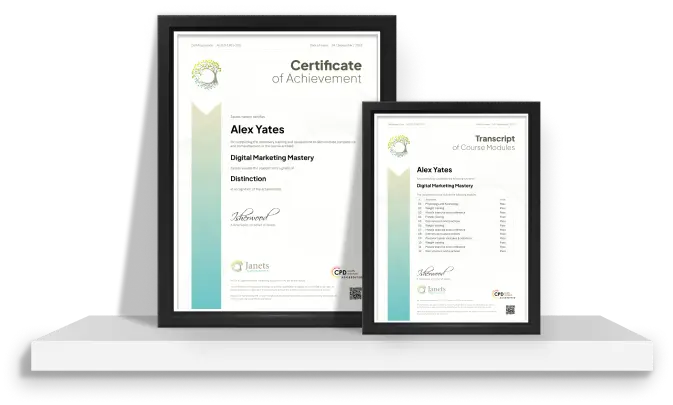
| Order your Certificates & Transcripts | |||
| Order your Certificates & Transcripts | 00:00:00 | ||

Original price was: £319.£25Current price is: £25. ex Vat
SAVE 92% - OFFER ENDS IN

 14-Day Money-Back Guarantee
- Personal
- Team
Quantity:
Total:
50% discount for orders of 10+ courses
60% discount for orders of 50+ courses
70% discount for orders of 100+ courses
For more personalised package, contact us


Frequently asked questions
Can’t find the anwser you’re looking for ? Reach out to customer support team.
The best degree for addiction counseling is typically a Master’s degree in Counseling, Psychology, Social Work, or a specialized program in Addiction Counseling. Programs that offer coursework in substance abuse treatment, behavioral therapy, and clinical practice provide the necessary foundation for a career in this field.
A Level 3 Diploma in Counselling is a qualification that provides foundational skills and knowledge in counseling. It typically covers basic counseling skills, theories, and practices, preparing students for further study or entry-level positions in counseling environments.
Five recovery skills include: Coping Strategies: Techniques for managing stress and cravings. Relapse Prevention: Identifying triggers and developing plans to avoid relapse. Emotional Regulation: Managing emotions healthily. Healthy Relationships: Building and maintaining supportive relationships. Self-Care: Practicing habits that promote physical and mental well-being.
Managing recovery involves maintaining a structured routine, attending support groups, practicing self-care, setting realistic goals, avoiding triggers, and seeking ongoing therapy or counseling. Consistent support and self-monitoring are key to sustaining long-term recovery.
The 7 R’s of recovery are: Recognition: Acknowledging the problem. Readiness: Being prepared to make changes. Responsibility: Taking ownership of the recovery process. Resourcefulness: Utilizing available resources and support systems. Resilience: Building strength to overcome challenges. Relationships: Cultivating healthy and supportive relationships. Reflection: Continually assessing progress and making adjustments.
The 5 elements of recovery are: Hope: Believing that recovery is possible. Self-Direction: Taking charge of one's recovery journey. Empowerment: Gaining control and confidence. Holistic: Addressing the whole person, including mind, body, and spirit. Support: Having a network of support from family, friends, and professionals.
The 5 P's of addiction are: Prevention: Efforts to prevent the onset of substance use. Provision: Availability and access to treatment services. Programs: Structured intervention and treatment programs. Policies: Regulations and policies supporting recovery. Promotion: Raising awareness and promoting healthy behaviors.
The 3 A's of recovery are: Awareness: Recognizing the presence of a problem. Acceptance: Accepting the need for change and recovery. Action: Taking steps toward recovery and implementing changes.
The 3 pillars of recovery are: Health: Managing physical and mental health. Home: Having a stable and safe living environment. Purpose: Engaging in meaningful activities, such as work or education.
After completing a Level 4 Diploma in Counselling, you can pursue higher qualifications like a Level 5 Diploma or a Bachelor’s degree in Counselling. You may also start practicing as a qualified counselor, seek accreditation with professional bodies, and gain experience through supervised practice.
Typically, you cannot skip Level 3 Counselling as it provides the foundational knowledge and skills necessary for advanced levels. Some programs may have prerequisites or require proof of prior learning or experience before advancing to Level 4.
A Level 4 Counselling Diploma usually takes about two years to complete on a part-time basis. The duration can vary based on the program structure and the institution offering it.
Addiction counselors tend to make the most money in metropolitan areas with higher living costs and greater demand for specialized services. States like California, New York, and Massachusetts typically offer higher salaries due to the cost of living and demand for services.
The highest degree in counseling is typically a Doctorate in Counseling Psychology (Ph.D. or Psy.D.) or a Doctorate in Counselor Education and Supervision (Ed.D. or Ph.D.).
Addiction counselors in California can expect to make an average annual salary ranging from $45,000 to $70,000, with variation based on experience, location, and specific job roles. High-demand areas and those with advanced qualifications may earn more.